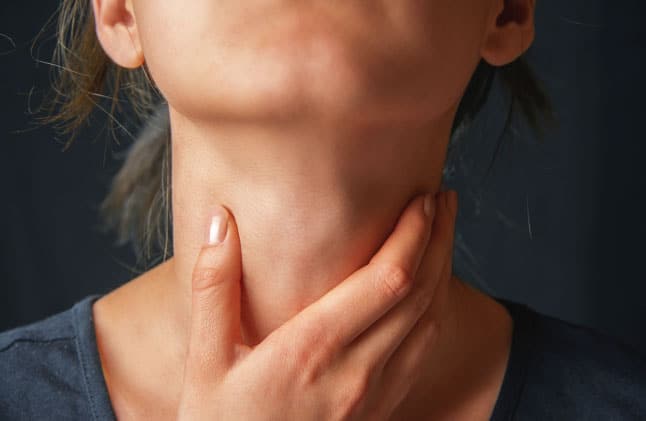
Spring weather is finally here! Time to load up the car and make your first trip to the Coast this season. As you’re playing in the waves, take care of moisture getting in your ears. It may surprise you to learn that getting water in your ears can affect your ear health and even lead to hearing loss.

How Water Can Affect the Ears and Hearing
Water can get stuck in your ears any time you get wet, such as after a swim or even a shower. This is when water droplets cling to the skin in your ear canal in front of the eardrum. You may experience muffled hearing, a gurgling sound, a feeling of fullness in the ear and ear pain.
Sound waves traveling down the ear canal may become warped or even blocked by these water droplets, which is why hearing sounds distorted when there’s water in your ears. Moreover, it creates the perfect environment for bacteria to thrive: moist, warm and dark.
Outer Ear Infection
When bacteria festers in one area of the body, it can lead to an infection, and such is the case here. Water trapped in the ear can eventually lead to an outer ear infection, aptly nicknamed “swimmer’s ear.” Swimmer’s ear is quite common; approximately 10% of people will develop an outer ear infection in their lifetime. They’re especially common in children, as their ear canals are smaller.
When you have an ear infection, you’re likely to experience inflammation, ear pain, itchiness inside the ear, fluid buildup, fluid discharge and temporary hearing loss. Because the ear canal becomes inflamed and blocked by the bacteria, sounds can’t reach the eardrum. This is why temporary hearing loss is a common symptom of an ear infection. Ear infections are often resolved on their own, but in severe cases, they may cause significant damage to the ear and the eardrum.
How to Get Water Out of Your Ears
Here are some strategies for removing water from your ears:
- Dry your ear with a soft towel or cloth, without sticking it into the ear canal.
- Lie on your side with your ear resting on a towel.
- Tip your head to the side and gently pull on your earlobe.
- Move your jaw: chew gum, yawn or work your chin back and forth, again with your head tipped to the side.
- Create a suction cup with your palm: cup your palm over your ear, tip your head toward the ground, and gently press and release, like a plunger.
- Use a hair dryer on the lowest setting and blow it toward your ear. Hold it at least a foot away to prevent heat damage.
You should not stick anything—a cotton swab, your finger or a towel, for example—into your ears. They can make it more likely that you develop an infection, not less. They can pack earwax and dirt deeper into the ear canal and scratch the delicate skin lining it.
When to Seek Medical Help
Any sudden changes in hearing should be investigated. Temporary hearing loss can still cause lasting damage to hearing health and may progress to permanent hearing loss if not treated properly. Call an audiologist to learn more.
And if you try the techniques listed above and still experience ear pain, or if the infection doesn’t clear up in a week, contact an ENT specialist or a primary care physician.